

📅 Last updated: April 8, 2026
The 2026 Asus TUF Gaming A14 is a genuinely impressive laptop that makes one fundamental mistake: it calls itself a gaming machine. Asus crammed the AMD Ryzen AI Max+ 392 — the same Strix Halo silicon that powers the ROG Flow Z13 — into a 1.46kg chassis with a 165Hz 2.5K display and extraordinary battery life. On paper, that sounds like the gaming laptop to beat this year. In practice, it’s one of the best productivity and creator ultrabooks you can buy in 2026, wearing a gaming badge it only partially deserves.
The identity crisis isn’t subtle. A non-techie handed this machine to game for a day went back to their console within an hour — not because the hardware isn’t capable, but because the default GPU memory allocation is set to a baffling 512MB. That single misconfiguration, which Asus has left unchanged across over a year of Strix Halo products, silently kills gaming performance by 20–30% for anyone who doesn’t know to fix it. It’s a solvable problem that shouldn’t exist on a product with “Gaming” in the name. Fix it in software settings, and the picture changes considerably — but you shouldn’t have to.
At a Glance

- Processor: AMD Ryzen AI Max+ 392 (12-core Zen 5, up to 5.0GHz, 24 threads)
- Graphics: AMD Radeon 8060S (40 CUs, RDNA 3.5, unified memory)
- NPU: AMD XDNA 2 — up to 50 TOPS
- Display: 14-inch 2.5K (2560×1600) IPS, 165Hz, 100% sRGB, FreeSync
- Memory: 32GB LPDDR5X 8533MHz quad-channel (unified, on-board)
- Storage: 1TB PCIe 4.0 NVMe SSD (2x M.2 slots)
- Weight: 1.46kg (3.2 lbs)
- Ports: 2x USB-A 3.2 Gen2, USB-C 3.2 Gen2 (DP), USB4 (PD + DP), HDMI 2.1, microSD
- Connectivity: Wi-Fi 6E, Bluetooth 5.3
- OS: Windows 11 Home
- Starting Price: ~$1,299–$1,499 (FA401EA variant)
The Ryzen AI Max+ 392 — What It Actually Is
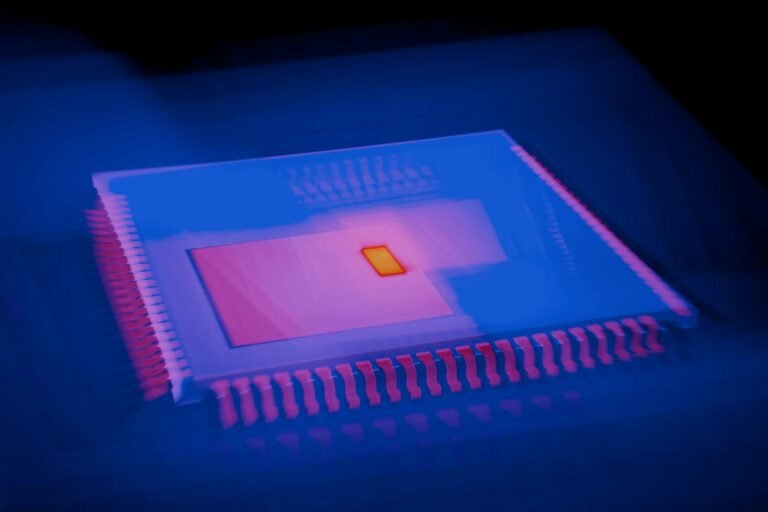
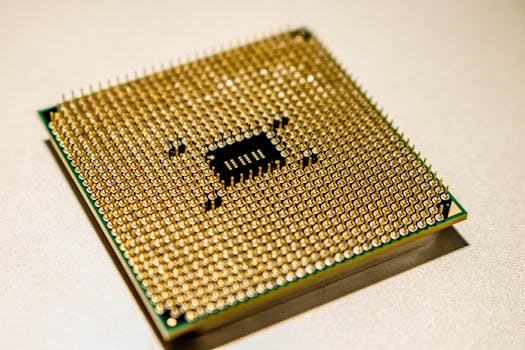
The chip inside the FA401EA model is not a typical laptop processor with a discrete GPU bolted on. It’s a monolithic APU that integrates a 12-core Zen 5 CPU, 40 compute units of RDNA 3.5 graphics (the Radeon 8060S), and AMD’s XDNA 2 neural engine on a single die. The critical implication of this architecture is unified memory: the same quad-channel LPDDR5X pool serves both the CPU and GPU. When properly allocated — and this is where Asus keeps stumbling — the GPU can access the full 32GB, which is genuinely useful for gaming at 1440p, AI inference tasks, and video editing simultaneously.
The productivity story here is strong and mostly unambiguous. CPU performance is competitive with Intel’s Core Ultra 200H class in multi-threaded workloads, and the integrated graphics bench above most competitors’ dedicated entry-level GPUs in certain tasks. The FA401GM variant swaps the integrated approach for a discrete RTX 5060 at 105W, trading some battery life and thermals for a predictable gaming ceiling — that model is the safer pick for serious gaming. The FA401EA reviewed here is the more interesting machine, even if it’s also the more frustrating one.
Display, Build & Portability
The 2.5K 165Hz panel is one of the better displays in this price class. At 100% sRGB coverage with consistently good calibration out of the box, it works equally well for gaming, photo editing, and long writing sessions. The 16:10 aspect ratio adds useful vertical real estate that the older 16:9 TUF panels lacked. Anti-glare coating is effective without making colors look washed out.
The chassis remains one of the cleanest designs Asus ships under the TUF brand — no RGB strips on the lid, no aggressive vents styled to look like jet engines, just dark gunmetal metal on the top and bottom with matte-black plastic deck. It passes MIL-STD-810H testing for drops, vibration, humidity, and temperature extremes. At 1.46kg with USB-C charging support, it’s genuinely carry-friendly in a way that most 14-inch gaming laptops are not. Battery life in non-gaming use reportedly exceeds 10 hours in testing — a direct consequence of the integrated GPU architecture drawing far less combined power than a CPU + dGPU setup.
Gaming Performance — The Honest Truth
With VRAM correctly allocated (bump it to 8GB or more in AMD Software: Adrenalin Edition), the Radeon 8060S handles modern titles at 1080p medium-to-high settings without complaint. At 1440p you’ll need to dial settings back. It’s not the performance level you’d expect from a product called “TUF Gaming,” but it’s usable. The RTX 5060 FA401GM variant scores roughly 25% higher in GPU benchmarks according to LaptopMedia testing — if gaming is your primary use, that version is the clearer choice and avoids this entire VRAM configuration headache.
Thermals under sustained gaming load are acceptable rather than impressive. The large heatsink and 97-blade fans do their job, but the fanless silence you get during productivity work disappears under load. Noise reaches 45–48 dBA at full blast — audible, not obnoxious. The decision to pull air through the keyboard deck is clever engineering for cooling but creates a subtle vibration at the keys under heavy load that some users will notice.
Pros and Cons
👍 What We Like
- Exceptional battery life — 10+ hours for productivity workloads
- Ryzen AI Max+ 392 delivers serious CPU and integrated GPU performance
- 2.5K 165Hz display with 100% sRGB — genuinely good panel
- 1.46kg with USB-C charging — one of the lightest capable laptops available
- Understated, premium chassis — works in any environment
- 50 TOPS NPU enables serious local AI inference and LLM tasks
- Two M.2 slots for storage expansion
👎 What Could Be Better
- Default 512MB VRAM allocation cripples gaming without manual adjustment
- 32GB non-upgradeable unified memory — no expansion path
- Integrated Radeon 8060S lags the discrete RTX 5060 variant by ~25% in games
- Premium pricing (~$1,299+) competes with stronger gaming alternatives
- Speakers lack volume for a premium product
Who Should Buy the TUF Gaming A14 (2026)?
This laptop is a near-perfect buy for professionals and students who want one machine that handles demanding productivity, creative, and AI workloads on battery all day, with the option to game at moderate settings when docked or plugged in. Developers running local LLMs, video editors who travel frequently, and anyone who needs a capable thin laptop without a gaming-chair aesthetic will get strong value here. The 50 TOPS NPU also makes this one of the better Copilot+ PC platforms for on-device AI tasks in 2026. Check current availability and pricing at the official Asus store or authorized retailers. [OFFICIAL_SITE_LINK]
Who Should Skip This?
If gaming is your primary reason to buy, skip the FA401EA and consider either the FA401GM (RTX 5060 variant) or a competitor with a dedicated GPU. The integrated Radeon 8060S is capable for its class, but paying a gaming premium for integrated graphics that require manual configuration to perform acceptably is a hard sell. Similarly, if you need to expand RAM beyond 32GB in the future, the soldered unified memory architecture offers no upgrade path.
Top Alternatives Worth Considering
🔍 Looking for alternatives?
Browse competing products on Amazon to compare prices and specs before deciding.
As an Amazon Associate, AiGigabit earns from qualifying purchases.
If you want the same Strix Halo performance with an even more compact chassis, the Asus ProArt PX13 runs the Ryzen AI Max+ 395 and targets creators more directly. For a gaming-first alternative at a similar size and weight class, the Asus ROG Zephyrus G14 with RTX 5060 delivers a cleaner gaming experience with DLSS 4 support, though with shorter battery life. Budget-conscious buyers should also look at the Lenovo Legion Slim 5 14 which trades some portability for more predictable gaming performance at a lower price point.
Bottom Line — Should You Buy the Asus TUF Gaming A14 (2026)?
The 2026 Asus TUF Gaming A14 is a victim of its own branding. As a 1.46kg productivity ultrabook with Strix Halo silicon, exceptional battery life, a great display, and serious AI compute credentials, it’s one of the more compelling thin laptops of the year. As a gaming laptop, it’s let down by a default configuration decision that Asus has had over a year to fix and hasn’t. The hardware is better than its gaming reputation; the software setup is worse than it has any right to be at this price.
Buy it knowing what it is — a brilliant work and creator machine that can game passably — and you’ll likely love it. Buy it expecting a straightforward gaming laptop and you’ll be reaching for the AMD settings panel before the end of day one.
Verdict Score: 7.8/10 — Outstanding ultrabook, undercooked gaming machine. Exceptional if you understand the trade-offs going in.
Frequently Asked Questions
Is the Asus TUF Gaming A14 2026 good for gaming?
It depends on the variant and configuration. The FA401EA with integrated Radeon 8060S can handle modern titles at 1080p medium settings, but only after manually increasing the GPU memory allocation in AMD software — the 512MB default is not viable for gaming. The FA401GM with discrete RTX 5060 is the more straightforward gaming choice. If portable gaming is your primary use case, the RTX 5060 variant is the better buy.
What is the AMD Ryzen AI Max+ 392 and why does it matter?
It’s a Strix Halo APU that combines a 12-core Zen 5 CPU, 40 compute units of RDNA 3.5 integrated graphics, and a 50 TOPS NPU on a single die with unified quad-channel memory. The architecture eliminates the power overhead of a separate discrete GPU, enabling exceptional battery life in a thin chassis. It also makes the laptop one of the most capable Copilot+ PCs for local AI inference tasks available in this form factor in 2026.
How does the TUF Gaming A14 2026 compare to the ROG Zephyrus G14?
The Zephyrus G14 with a discrete RTX 5060 offers higher gaming performance and DLSS 4 support, at the cost of higher weight and shorter battery life. The TUF A14 FA401EA trades gaming headroom for better portability and all-day battery. The TUF A14 FA401GM (RTX 5060 variant) is a more direct mid-range competitor to the Zephyrus G14, sitting at a lower price point with slightly more conservative thermals.
Can the RAM or storage be upgraded in the TUF Gaming A14 2026?
The 32GB unified LPDDR5X memory is soldered directly to the board — there is no expansion path. Storage is more flexible: the FA401EA features two M.2 PCIe slots, so you can add or replace the NVMe SSD. If 32GB of RAM is likely to be a bottleneck for your workloads in the future, factor that into your decision before buying.
Is the Asus TUF Gaming A14 2026 worth the price?
At ~$1,299–$1,499 for the Strix Halo variant, it’s a competitive price for what the hardware delivers as a productivity and creator ultrabook. As a straight gaming laptop comparison, you can find discrete RTX 5060 alternatives at similar or lower prices. The value proposition is strongest for users who genuinely need the portability, battery life, and NPU capabilities — and weakest for those primarily buying it to game.
Stay up to date with the latest laptop reviews and tech hardware news at AiGigabit.com. Bookmark us for daily updates.